If you are a creative, it’s so important to understand how to copyright something you’ve made. If you’re one of those people who has created something truly one-of-a-kind – whether it’s an original piece of art, an amazing tune or even really great social media or online content – you need to make sure that you understand that you own it, and the Australian guidelines around your creation/s.
Enter – copyright protection. While the term might sound a little intimidating, the reality is that it’s not as complicated as you might think.
Let’s have a look at the legal side of art and make sure you know exactly how to protect what is rightfully yours.
Automatic Copyright Protection: The Best Thing You Never Knew You Had
Did you know that under federal copyright law, your copyright material is automatically protected the moment you create it in a tangible medium? That’s right, you’re already covered in Australia.
That means whether you’re composing a musical composition, writing a literary work, or recording digital audio transmissions, you already own the exclusive rights to your work as soon as it’s created. No registration is needed – yet, it can be helpful for legal claims later on.
As soon as you create something original and fix it in a tangible form (an idea that has been brought to life), whether it’s written, drawn, recorded, or even just saved digitally – you automatically have copyright protection. That’s right! You don’t need to file a single form or send a letter to your future self.
This protection is automatically granted to any original works of authorship – whether it’s a motion picture, visual art, or software code.
The Basics of Copyright Protection: Why It Matters
When you create something original, you automatically own the copyright for it. There is no copyright registration process in Australia; it just automatically occurs the moment you create something. Countries like the US have a Copyright Office website where you can do an online application for copyright. Not here in Australia though. Copyright protection is your safeguard, ensuring that no one can use or reproduce your work without your permission.
That short story you just finished? Copyrighted. The logo you designed for your side hustle? Copyrighted. The video content you worked hard on and shared? It’s already copyrighted, with no paperwork needed.
It’s simple: the moment your work is made, you automatically become the copyright owner. No paperwork is required – unless, of course, you want to add some extra layers of intellectual property rights.
How Long Does Copyright Last? A Lifetime, Plus 70 Years
Here’s something else about your copyright – it’s yours for life. And by life, we mean the creator’s lifetime + 70 years. That means your work will be protected for decades, even after you’re gone.
The best part of this? Your grandchildren could still be collecting royalties from your “classic” musical masterpiece (or viral cat meme you created) well into the future.
Public Domain: When Copyright Expires
Eventually, copyright expires, and works enter the public domain, meaning anyone can use them without permission. This happens when the copyright duration ends – either the creator’s life plus 70 years or after the stipulated 95/120 years for joint works or works for hire. Once in the public domain, works are free to use by anyone, and the copyright holder no longer has exclusive rights to the work.
What About Copyright Registration?
Fun fact – it doesn’t exist in Australia. So, while you automatically have copyright for any work you create, some people confuse copyright in Australia with the US system of copyright registration.
If you do want your copyright to be global (or span regions), you’ll probably need to enlist a copyright specialist – such as an intellectual property lawyer, who can help you manage the copyright processes in other regions.
That said, there are quite a few other legal considerations and ways to help you protect your work, which we’ll have a look at later in this article.

The Copyright Symbol: A Little Badge of Honour
You’ve no doubt seen the little copyright symbol (©) everywhere – it’s that magical little circle with the “C” inside. While it’s not strictly required, using it is a great way to show the world that your work is protected. It’s like a digital “hands off” sign, saying “I worked hard on this, so please respect it.”
Here’s the format to use: © [Year] [Your Name]
For example, “© 2025 Ella May.”
It’s a small thing that signals you’re serious about protecting your intellectual property, and it’s the easiest way to show you know what you’re doing.
In Australia, artists and creators have several forms of legal protection for their works beyond copyright. Here are some other key protections that may apply to art creators:
What About ‘Moral Rights’? What Are They?
Moral rights protect the personal and reputational rights of authors and creators in relation to their works. In Australia, these rights are automatically granted to creators under the Copyright Act 1968. Moral rights are separate from economic rights (like copyright) and focus on the creator’s personal connection to the work. They include:
- The Right of Attribution: The right to be properly identified as the author or creator of a work.
- The Right of Integrity: The right to prevent others from modifying or distorting the work in a way that could harm the creator’s reputation.
- The Right of False Attribution: The right to prevent someone from falsely claiming to be the creator of the work.
These rights are personal to the creator and cannot be transferred, although they can be waived in certain circumstances.
Trademark Protection
If you’ve created a unique logo, brand name, or other identifying marks related to your art or business, you might consider applying for a trademark. Trademarks protect signs, logos, and other identifiers that distinguish your goods or services from those of others. Registering a trademark gives you the exclusive right to use that mark in connection with your specific products or services.
For example, if you have a distinct logo that you use in your artwork or products (like merchandise), registering it as a trademark will prevent others from using it without your consent.
Design Registration
In Australia, a design is a visual appearance of a product, such as the shape, configuration, or ornamentation. If your artwork is embodied in a new and original design, you can register that design with IP Australia.
Registration gives you exclusive rights to use the design and prevents others from using, making, or selling products that infringe on your design rights. Designs can protect patterns, shapes, and ornamentation on items such as packaging, jewelry, or even clothing.
Trade Secrets
While not typically used for artistic works, trade secrets can protect confidential information that gives a business a competitive edge. For artists running businesses, this could include secret methods, processes, or ideas related to the creation or distribution of your artwork. Trade secrets can be protected as long as the information remains confidential and is not publicly disclosed.
Contracts and Agreements
Artists can also use contracts to protect their works and interests. Contracts can outline terms for licensing, commissions, and collaborations, as well as set the expectations for how artwork will be used, shared, or sold. For example:
- Licensing Agreements: You can license your art for specific uses (e.g., reproduction on merchandise, or for inclusion in a publication), with terms that protect your rights and income.
- Commission Agreements: If someone commissions you to create a piece of art, a written agreement detailing payment terms, the scope of the work, and deadlines can protect both parties’ interests.
Patent Protection (Rare for Artworks)
Though patents are more commonly associated with inventions, in certain circumstances, art creators may be able to patent new, unique, and original designs or methods. For instance, if an artist creates a novel product or a new way of creating something, it might qualify for a patent. However, patents are not typically associated with traditional art, as they are focused more on inventions and processes.
Cultural & Indigenous Rights
In Australia, the rights of Indigenous artists are protected under both local and international law. Artists from Aboriginal and Torres Strait Islander backgrounds have specific protections regarding the use of cultural works, which can include visual art, stories, and symbols that are significant to their communities. The Australian Copyright Council and other Indigenous organizations provide resources to protect and preserve Indigenous artworks and cultural expressions.
International Protections
If you create art that you plan to distribute or sell overseas, it’s important to understand that international protections may apply, so it’s best to have an understanding of international copyright law – or engage an IP lawyer who can help you here . Australia is a member of several international agreements, including the Berne Convention for the Protection of Literary and Artistic Works.
This means your copyright is automatically protected in other member countries (which include most nations). Similarly, designs and trademarks can be registered internationally through systems like the World Intellectual Property Organisation (WIPO).
What Happens If Someone Steals My Work?
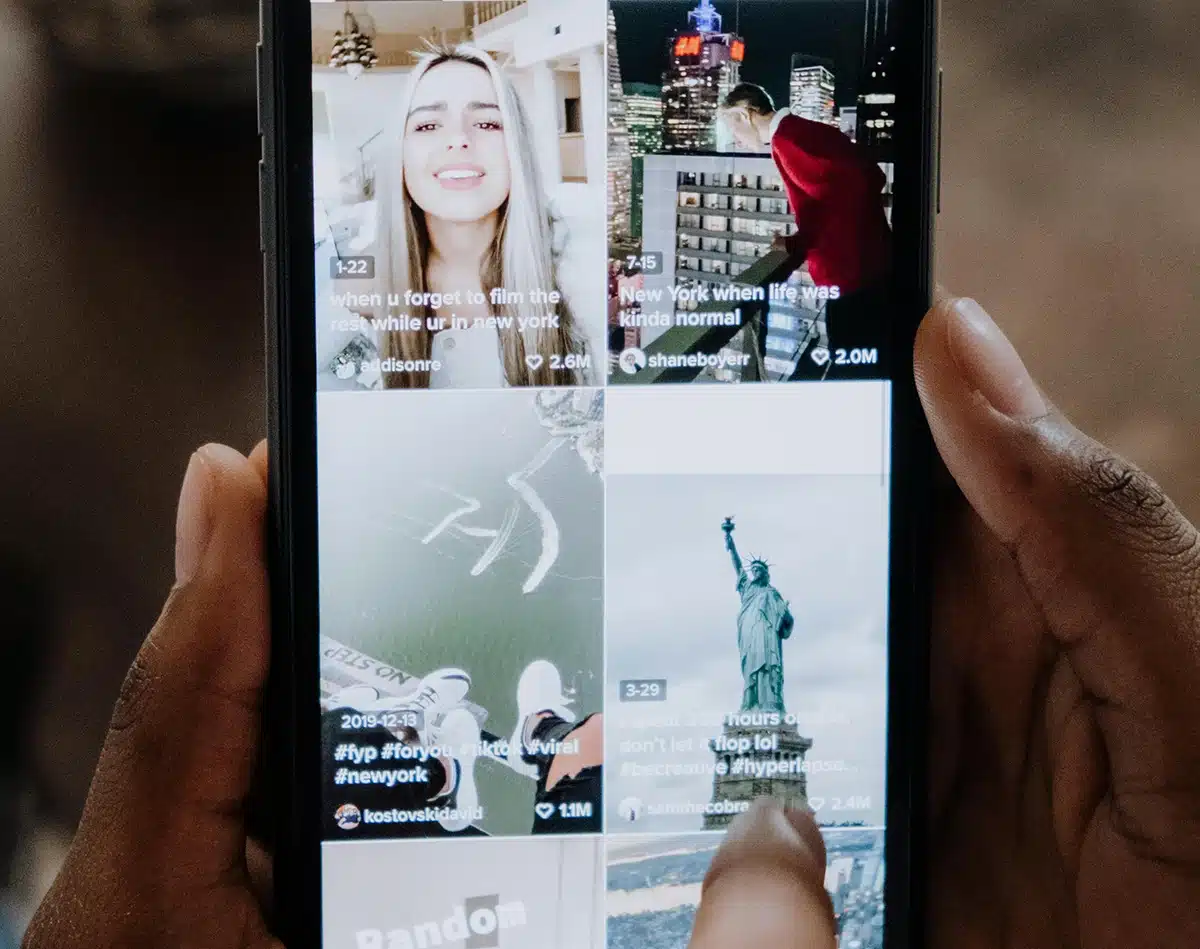
Yes, it’s a nightmare scenario for creatives – someone taking your work without permission, no credit or thanks. Or altering it slightly and claiming it as their own. What now? Well, since you already have automatic copyright, you have quite a few options. You can sue for damages (which may result in extra money just for the inconvenience)- but that’s the last step in the majority of cases and can be quite costly to pursue.
Copyright Ownership: Who Owns What?
The person or entity that creates a copyrightable work automatically becomes the copyright owner. However, ownership can be transferred, bought, or sold, just like any other type of property. If you hire someone to create a work, like a motion picture, they may be working as an independent contractor, meaning you, the employer, automatically own the copyright to the work created.
But what if your work is anonymous or pseudonymous? You still own the copyright, but the law treats anonymous works differently. It typically grants the rights to the person or entity that holds the registration certificate.
Seeking Permission: Know When to Ask
If you want to use someone else’s copyrighted material, you’ll need to get permission from the copyright owner. This process is known as seeking permission or obtaining a license. If you’re planning to publish, perform, or adapt someone’s work, understanding copyright law and getting permission first is crucial to avoid infringement.
How Does Fair Use Affect My Work?
One of the most confusing aspects of copyright protection is fair use. It allows others to use your work without permission in certain circumstances, such as for news reporting, commentary, or criticism. However, the fair use doctrine isn’t always clear-cut, and what qualifies can depend on the primary purpose of the use.
If someone uses your work under the fair use doctrine, they still need to follow the rules. If they cross the line, you have the right to take action.
What About Digital Audio Transmission?
In the age of streaming and digital audio transmission, understanding how copyright applies to these platforms is critical. Copyright law covers not just physical copies of your work but also online platforms, meaning streaming services, podcasts, and digital distribution. Just because your work is available online doesn’t mean it’s automatically in the public domain—it’s still protected!
Protecting Your Work Online – Is It Possible?
If you’re an online creator, protecting your work can feel like an uphill battle. It’s no secret that people love to steal stuff from the internet and make it their own. With the recent surge of AI-generated work that pools its data from what millions of people have shared online and otherwise, the lines are becoming even more grey.
While there is absolutely no way to prevent this, consider adding the copyright symbol to your online content. It’s a simple step, but it sends a clear message: “This work is protected.” Add a date of creation somewhere in your work, too, if it’s not obvious when it was made, not just the year next to the copyright symbol.
Watermarking images, adding your signature to your videos, and keeping backups of everything are also solid ways to keep your work secure. AI tools can also be used to monitor and check usage across the internet.
Key Facts About Copyright in Australia
- No Registration Required: Copyright protection is automatic once an original work is created.
- What Is Protected?: Literary works, artistic works, music, films, broadcasts, and software.
- Duration of Protection: Generally, the life of the creator plus 70 years.
- Ownership: The creator usually owns the copyright unless assigned to someone else (e.g., employer agreements).
- Moral Rights: Creators have the right to be credited and to prevent distortion of their work.
Final Thoughts: Protect Your Creative Genius
As a copyright owner, you have the right to control how your work is used, whether you are creating sound recordings, computer programs or online content. Whether you decide to register your work or not, knowing your rights is step one. If someone infringes on those rights, you have the legal tools to protect yourself. And with the right guidance from experienced copyright lawyers, you’ll be able to navigate any bumps in the road.
Next time you create something incredible, make sure you’re doing everything you can to protect it. Whether it’s a new album, a stunning painting, or that perfect Instagram post, your work deserves to be safeguarded.
Need some help understanding your copyright and intellectual property rights? Contact our specialist copyright lawyers in Sydney, Brisbane and Melbourne at Actuate IP today and start with a Free Initial Consultation.